Key takeaways from Day 1 of BigMint's 'Build Connect 2026'
...

- Lifecycle cost, execution speed support steel-based construction
- Service centres turning into value-added, ready-to-use solutions providers
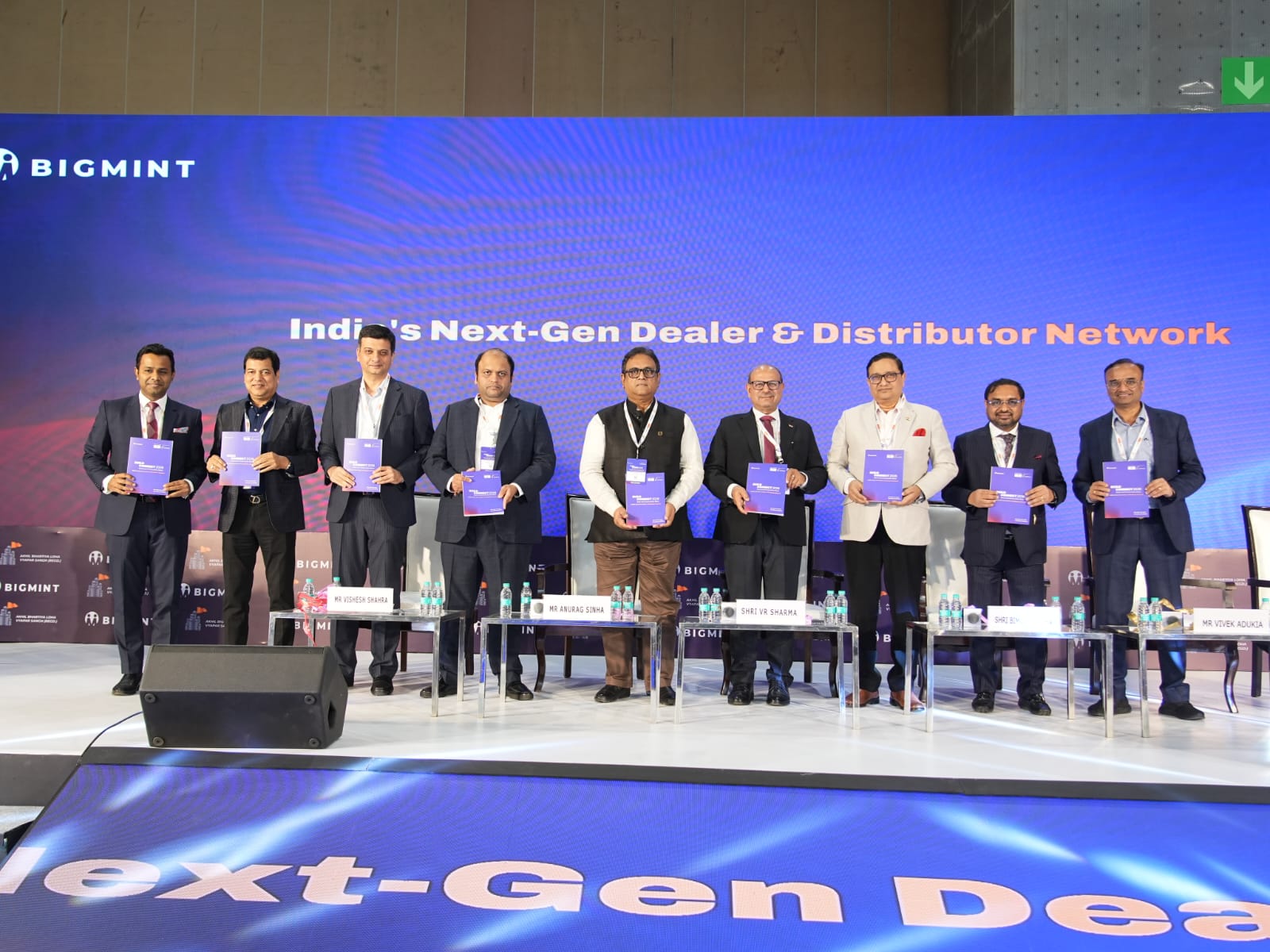
BigMint's 'Build Connect: Steel & Construction Show 2026' being held at Yashobhoomi in New Delhi witnessed Indias steel fraternity and the dealer and distributor network gathering on one platform to discuss the various challenges facing the industry today. Below are highlights from Day 1 of 'Build Connect 2026':
Steel and construction ecosystem
- Indias steel demand trajectory is backed by INR 12.2 lakh crore infra pipeline with per capita steel consumption above 100 kg but remains significantly below global average (~420 kg).
- Secondary steel & re-rolling sector positioned as backbone of Tier-2/3 penetration, affordability and last-mile steel accessibility.
- Steel-based construction (prefabrication, modular, LGSF, structural framing) to gain momentum as lifecycle cost and execution speed outweigh conventional concrete bias.
- Green steel certification (3-5 star rating framework) and sustainability-led procurement policies to reshape competitive positioning across value chain.
Backbone of distribution
- Indias 300 mnt steel ambition hinges on strengthening last-mile distribution across Tier-2/3 and emerging micro clusters.
- Service centres must shift from trading model to value-added and ready-to-use solution providers.
- Price volatility and SKU availability remain key execution risks, distributors to act as supply-chain shock absorbers.
- Digital integration, financing support and low-carbon/value-added offerings to define next-phase ecosystem growth.
- Standardised, automated service centre model ensuring uniform customer experience, inventory efficiency and scalability across geographies.
- Deep manufacturerdistributor synergy (design support, BIM tools, training, tech integration and material allocation) critical for scaling solution-based steel ecosystem.
GST Notices: What should steel channel partners do?
- Prevention over cure: Robust documentation and transaction trail critical to safeguard against GST scrutiny and fraudulent invoicing risks.
- 180-day payment compliance remains a key trigger point, delays can impact credit eligibility and require timely corrective action.
- Bona fide transaction proof (supply validation, reconciliation, audit trail) essential to avoid legal and tax disputes.
- Rising bad debt risk in manufacturer-to-builder transactions, recovery mechanisms and arbitration routes gaining importance.
Push for green steel
- FY28 public procurement mandate to source 25% steel from green-rated plants (35 star system) set to structurally drive green steel demand in India.
- Indian Carbon Market (CCTS) to impose emission targets on 650 obligated entities, non-compliance to attract carbon cost, accelerating decarbonization roadmap adoption.
- Scrap-based / recycled steel route + renewable power integration emerging as the most practical and scalable pathway to cut emission intensity.
- Green steel premium currently nascent in domestic market; however, ESG-linked demand, export exposure (CBAM) and investor pressure to strengthen preference shift.
Access to capital
- Working capital stress intensifying due to delayed payments, high receivables cycle and tightening liquidity at distributor/retailer level.
- Credit discipline and counterparty risk assessment becoming critical amid rising bad debt instances in B2B steel transactions.
- Structured financing solutions (channel finance, NBFC tie-ups, bill discounting) emerging as key enablers for trade flow stability.
- Compliance burden (GST reconciliation, documentation, audit preparedness) directly impacting operational efficiency & cost structure.
Demand outlook & sustainable construction
- Distribution landscape evolving from volume-led model to solution-oriented engagement, with stronger focus on branding, trust and customer retention.
- Tier-2/3 markets emerging as incremental growth drivers, backed by infra push, housing demand and deeper retail penetration.
- Inventory planning and dynamic pricing strategy critical amid raw material volatility and uneven regional demand trends.
- Digital adoption (CRM, billing automation, demand tracking) increasingly becoming a competitive differentiator for channel partners.
Design trends, material preferences and steel usage
- Steel enables faster execution cycles (offsite fabrication + plug-and-play erection), significantly reducing slab-to-slab timelines in institutional and high-rise projects.
- Higher strength-to-weight ratio and ductility improve seismic resilience, reduce structural load by 3050% and enhance safety under dynamic conditions.
- Steel structures deliver 2030% higher usable/carpet area through slimmer columns & longer spans, directly enhancing project viability for developers.
- Manufacturers shifting toward value-added solutions (cut & bend, standard lengths, prefab decks, welded mesh, green steel certification), aligning with speed, sustainability & construction 4.0 demands.