Japan: Toyota Motor Corporation keeps thin plate prices unchanged for H1FY'26 negotiations
...
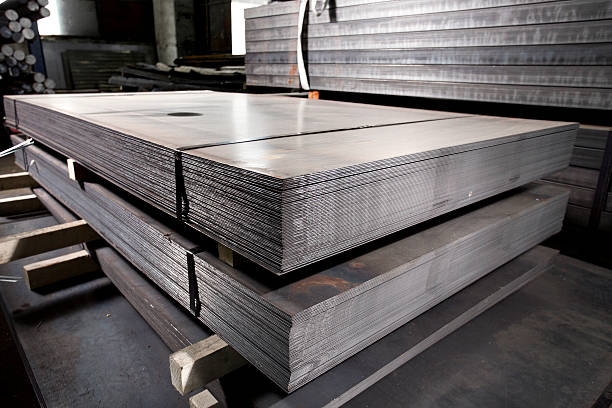

- Steelmakers push for price hikes amid changing supply chain dynamics
- Payment prices are reviewed twice a year by automakers with BF steel producers
Japan Metal Daily: Toyota Motor Corporation has decided to keep thin plates prices unchanged from the second half of FY'25 through the first half of FY'26 (April-September), and has begun informing its suppliers of the decision, sources from the Chubu region said.
For large-volume thin plates, Toyota Motor Corporation increased supply prices by a total of JPY 80,000/t ($509/t) between FY'21 and the second half of FY'22, after which prices remained unchanged from the first half of FY'23 to the first half of FY'24. Beginning in the second half of FY'24, the company reduced prices by a cumulative JPY 35,000/t ($223/t) over three consecutive quarters, marking the first quarterly adjustment.
Market participants had widely expected prices to remain stable, as key raw material costs forming the basis of the pricing formula, typically fluctuate only slightly on a half-yearly basis. The outcome was therefore largely in line with expectations and received a measured response. Some market sources noted that the payment price does not fully reflect prevailing steel price trends and carries a strong policy element, limiting its overall impact on the steel market. Moreover, payment price revisions now vary across automakers, unlike earlier periods when they were largely uniform, indicating a shift in their significance.
Payment prices, also referred to as bulk purchasing prices, are reviewed twice a year by automakers such as Toyota Motor Corporation through price negotiations with blast furnace steelmakers. These prices represent the rates at which Toyota and other automakers supply steel to their central purchasing subsidiaries and are also used as a benchmark for evaluating parts. Currently, Toyota's payment price for hot-rolled steel sheets is estimated at around JPY 121,500/t ($773/t), which remains higher than the prevailing market price.
In recent years, market participants increasingly believe that the significance of payment prices has evolved, with automakers such as Toyota Motor Corporation increasingly holding individual price discussions with parts manufacturers. Transactions directly linked to bulk purchasing prices, which were once common, have declined notably over time. Meanwhile, with government support, the industry is making progress toward more equitable supply chain practices, including better reflection of fair costs and value in transactions.
Tied negotiations for automotive thin plates, forming the basis of payment prices have reportedly already been concluded with Toyota Motor Corporation by JFE Steel and Kobe Steel for the second half of the FY (October 2025-March 2026). Meanwhile, Nippon Steel, which follows a forward-determined pricing system, has finalised negotiations for the first half of FY'26 (April-September 2026).
Although the specific details of the latest tied prices remain undisclosed due to individual negotiations, they are understood to reflect a slight increase compared with the previous half-year. The adjustments appear to incorporate factors such as fluctuations in key raw material prices under the formula-based mechanism, rising material costs, and changes in alloy prices.
Steelmakers are currently in the final phase of tied price negotiations with their customers. A senior executive at a blast furnace steel producer noted that many downstream sectors are performing strongly, with industries such as general contracting reporting record profits, while the materials sector particularly steel continues to face declining conditions. He expressed concern that sustaining Japan's broader supply chain could become increasingly difficult under such circumstances. The executive emphasized the importance of engaging customers in discussions that help them recognise fair pricing, adding that this period is particularly critical for sales efforts. As a result, steelmakers are prepared to pursue negotiations with determination to secure appropriate price levels.
Price negotiations for thin plates used in non-automotive sectors such as electrical machinery and building materials are also being conducted on a quarterly or half-yearly basis. In some cases, agreements have reportedly been reached for price increases of around JPY 10,000/t ($64/t) effective from April 2026. These developments suggest that more industry participants are beginning to recognise a shift in overall price trends.
Note: This article has been written in accordance with an article exchange agreement between Japan Metal Daily and BigMint.
