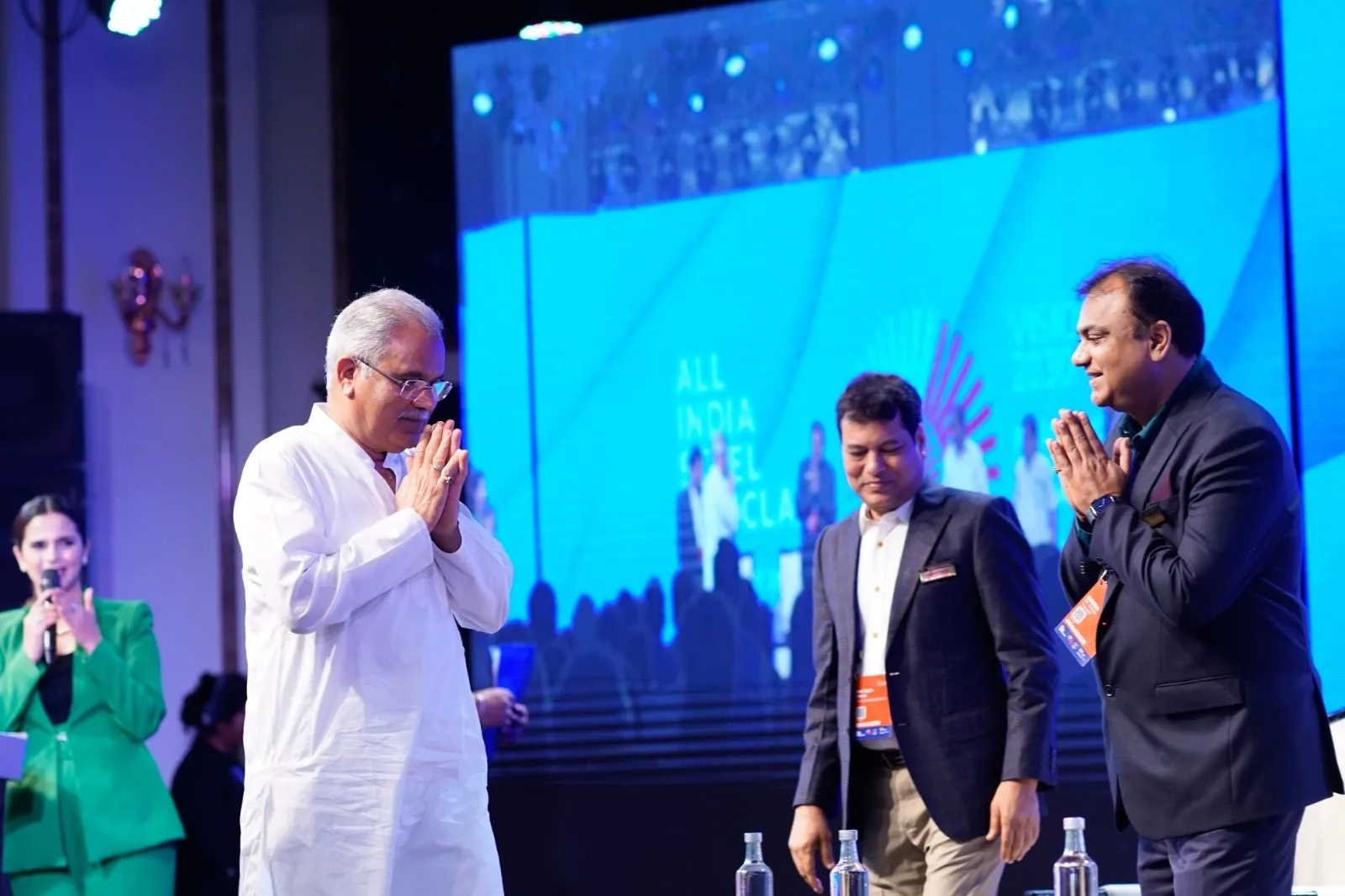
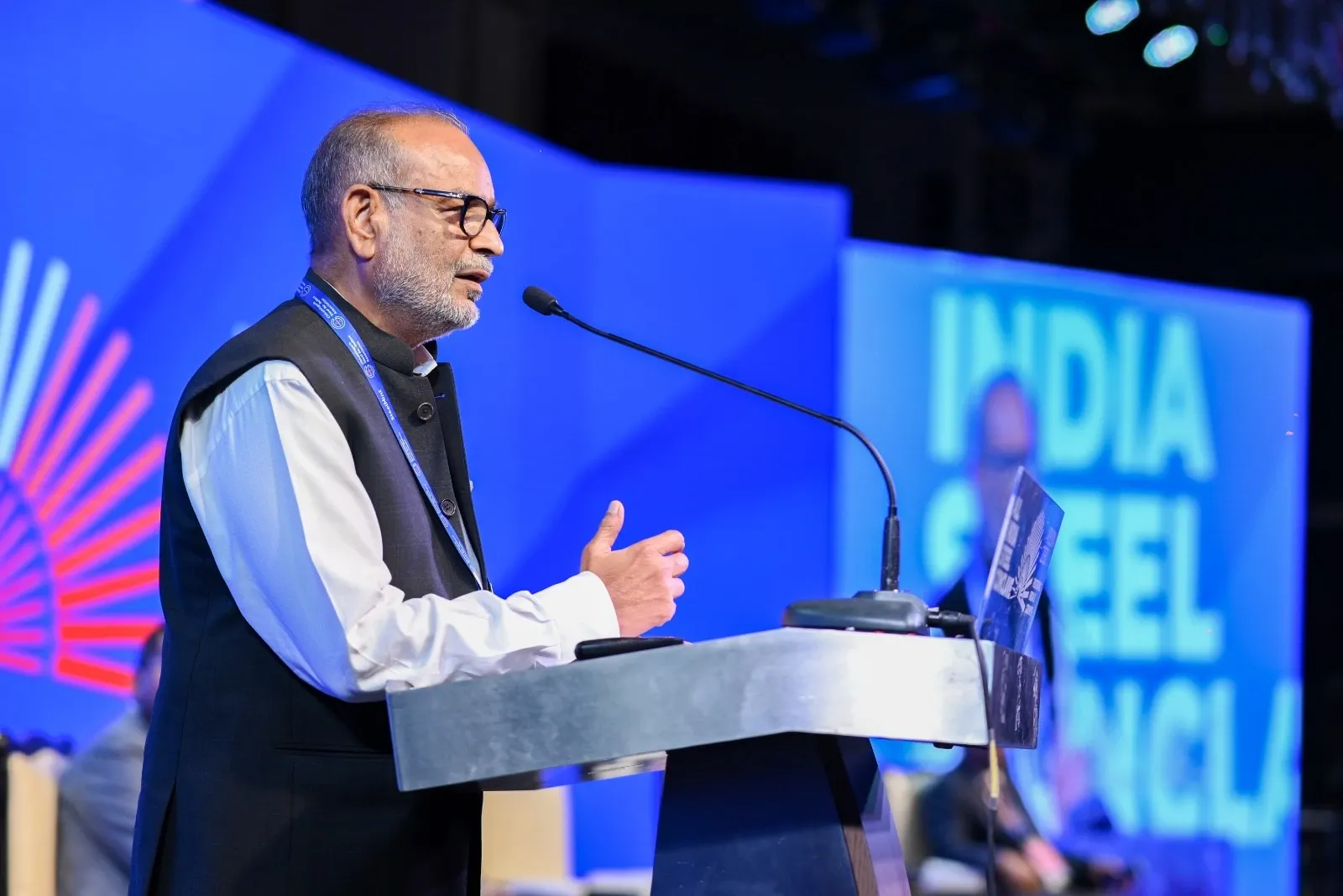
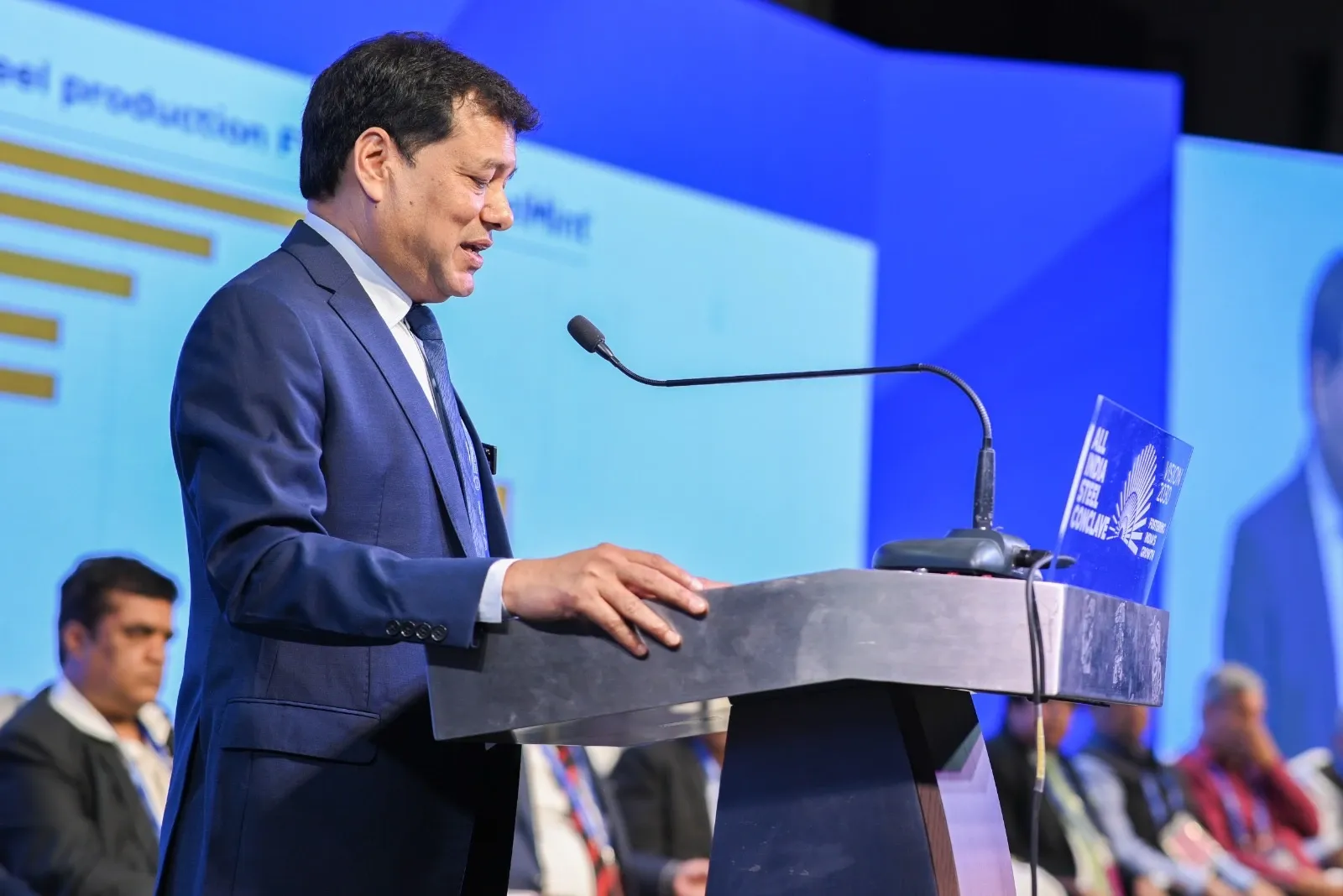
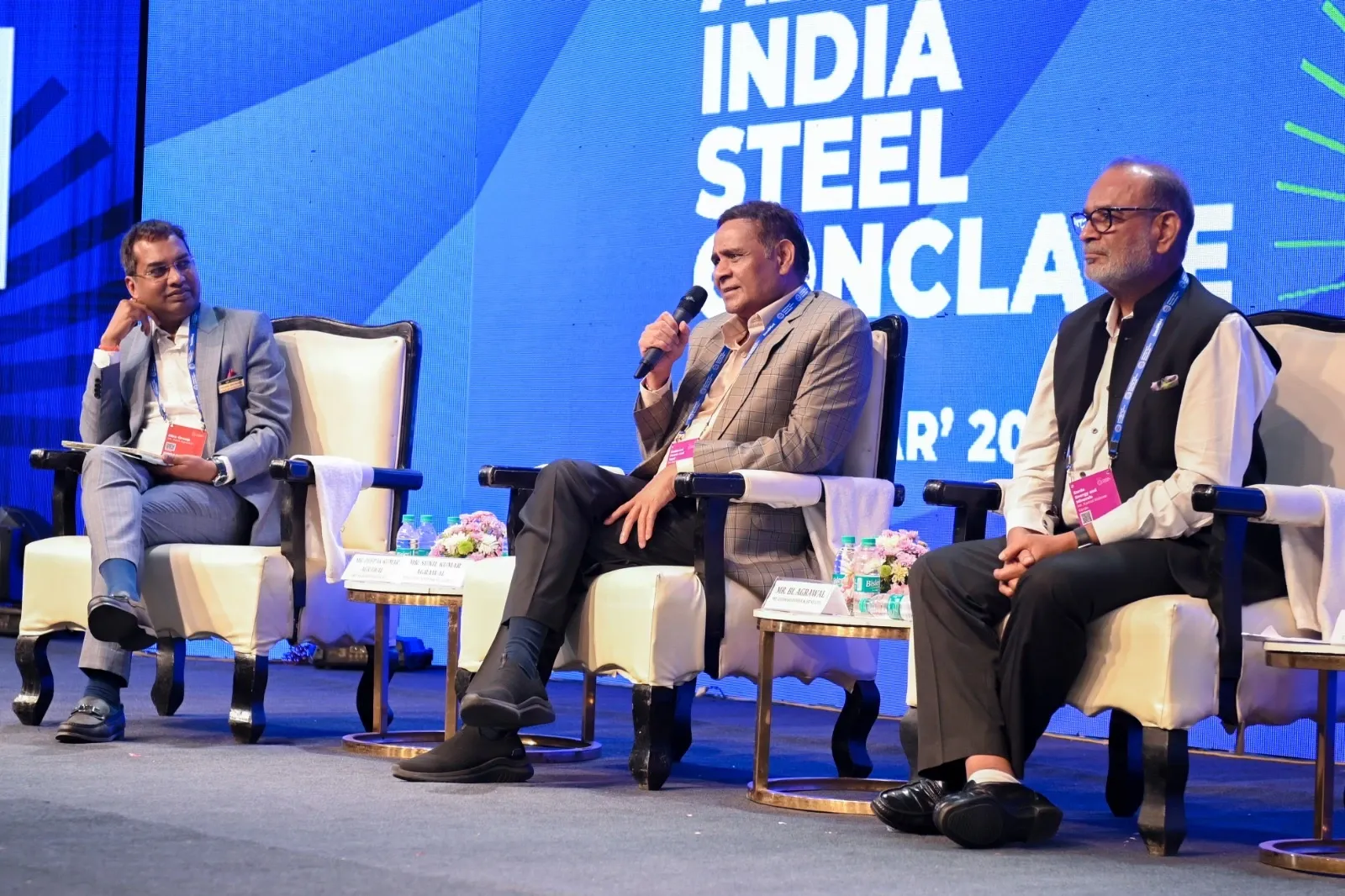
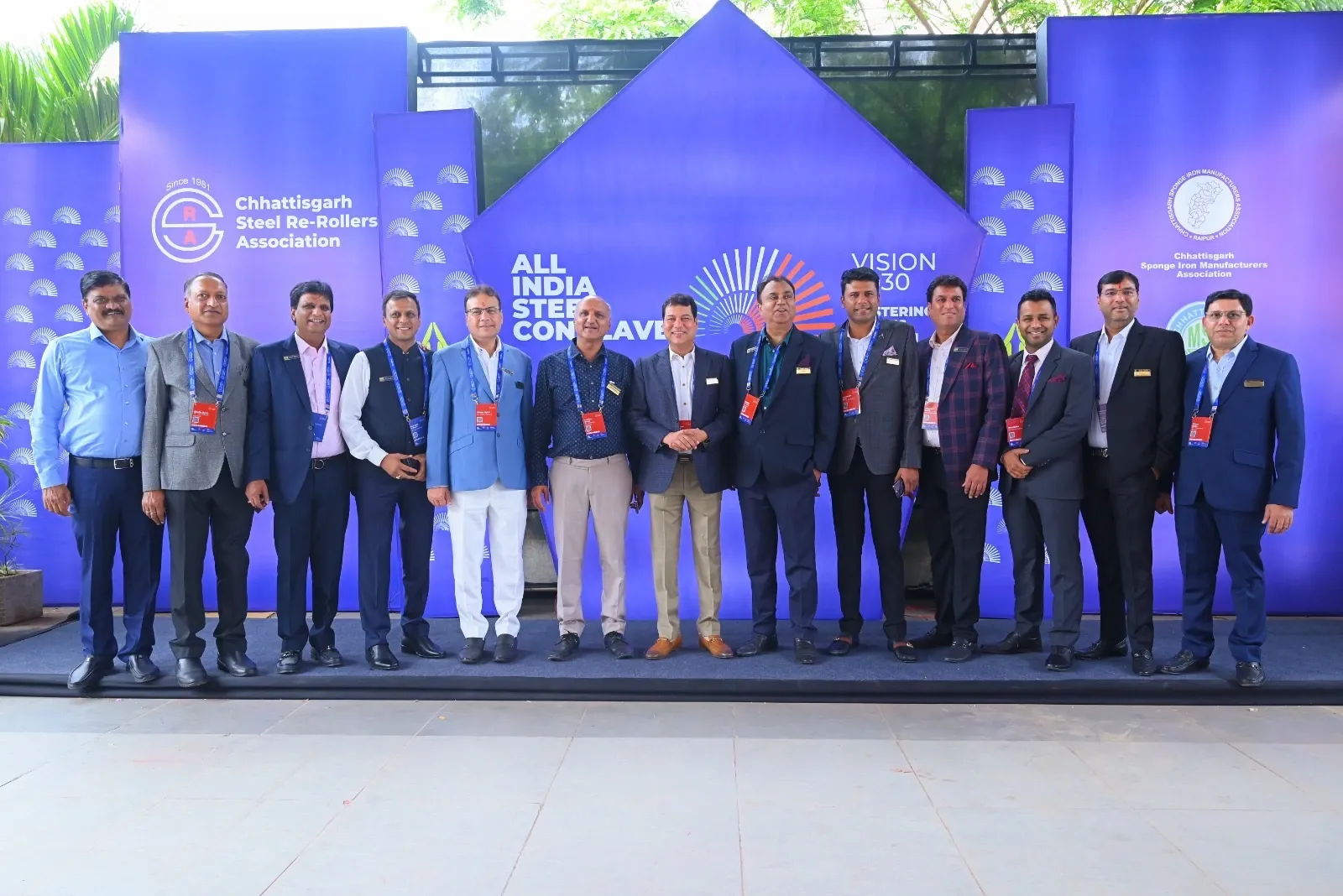
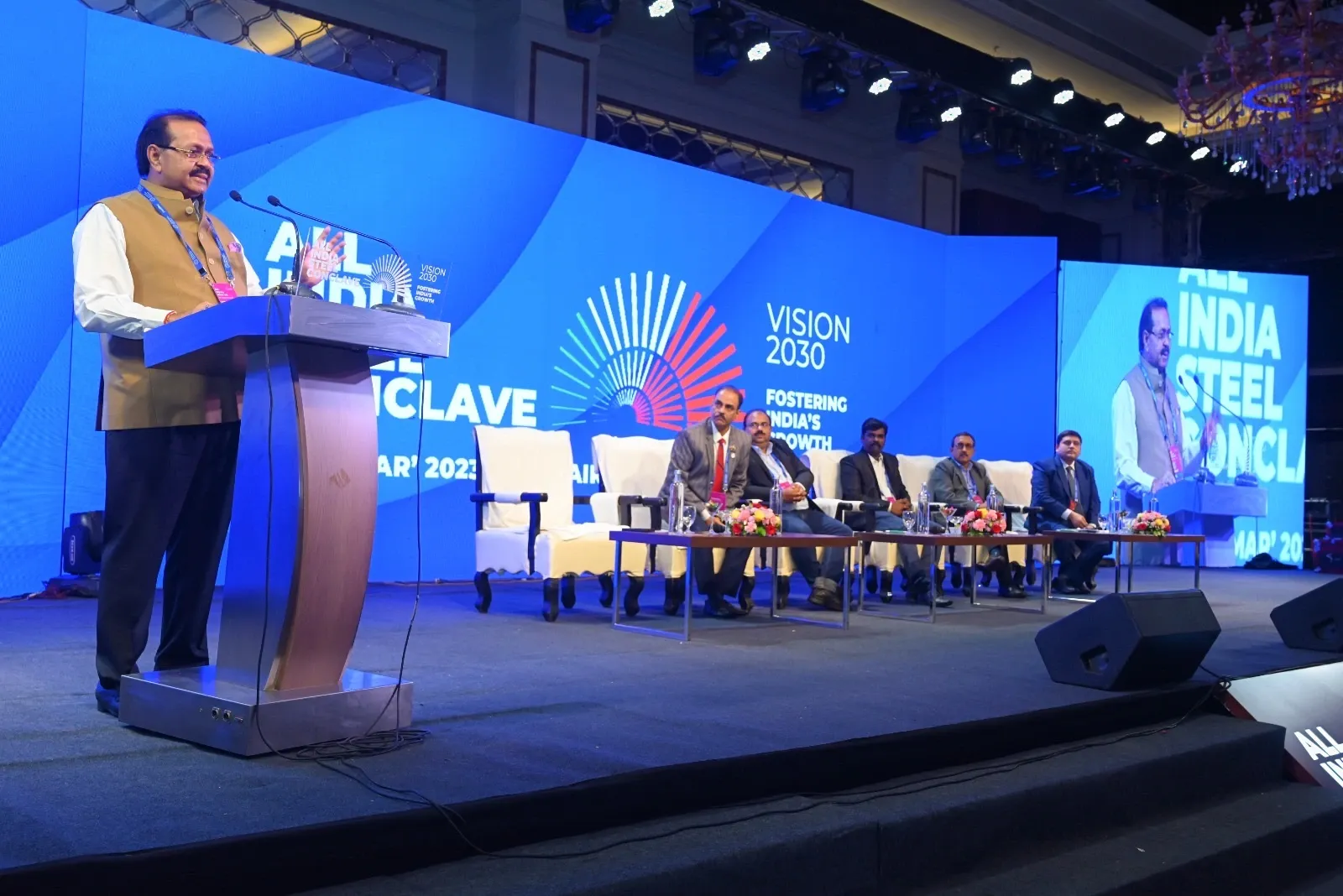
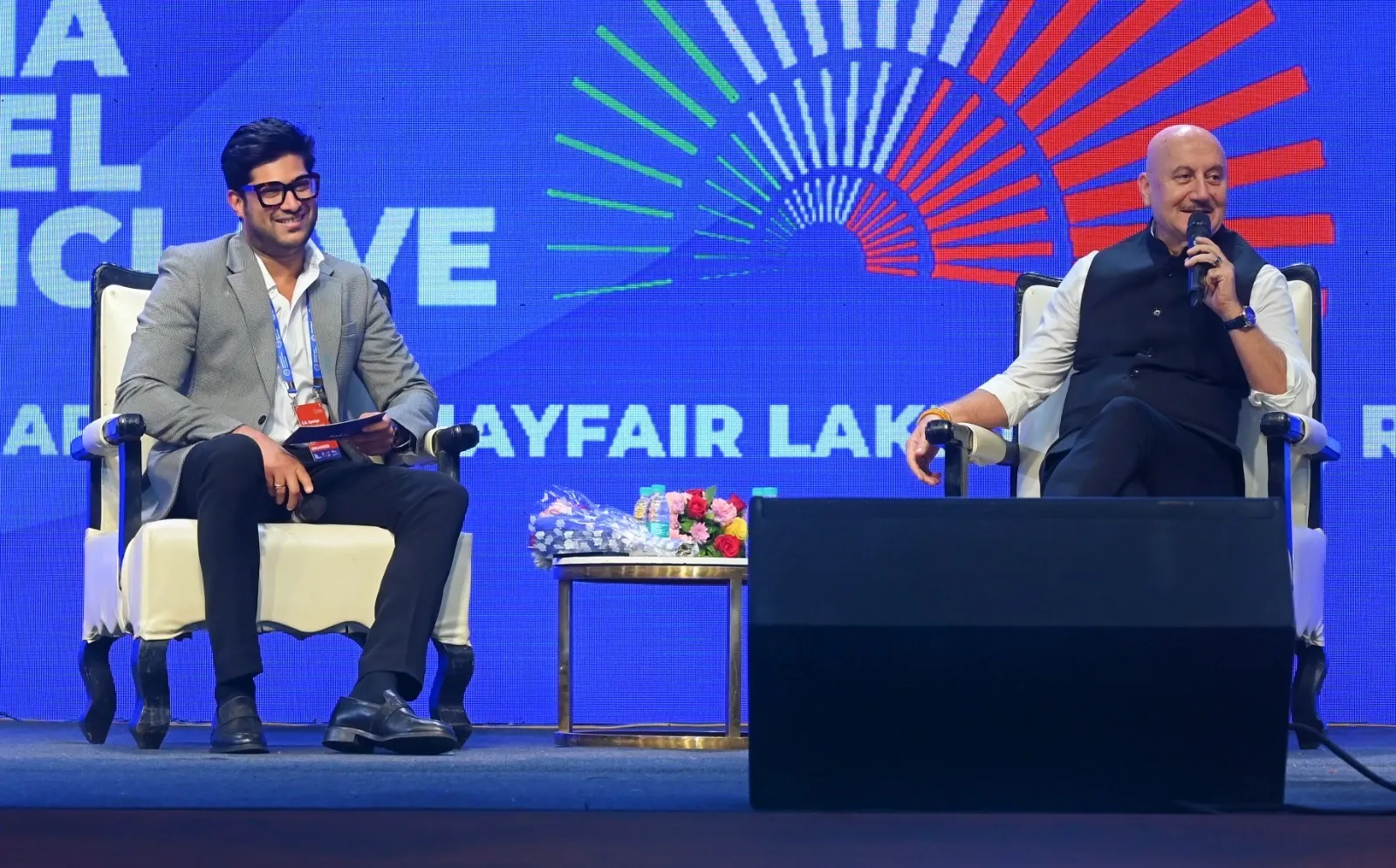
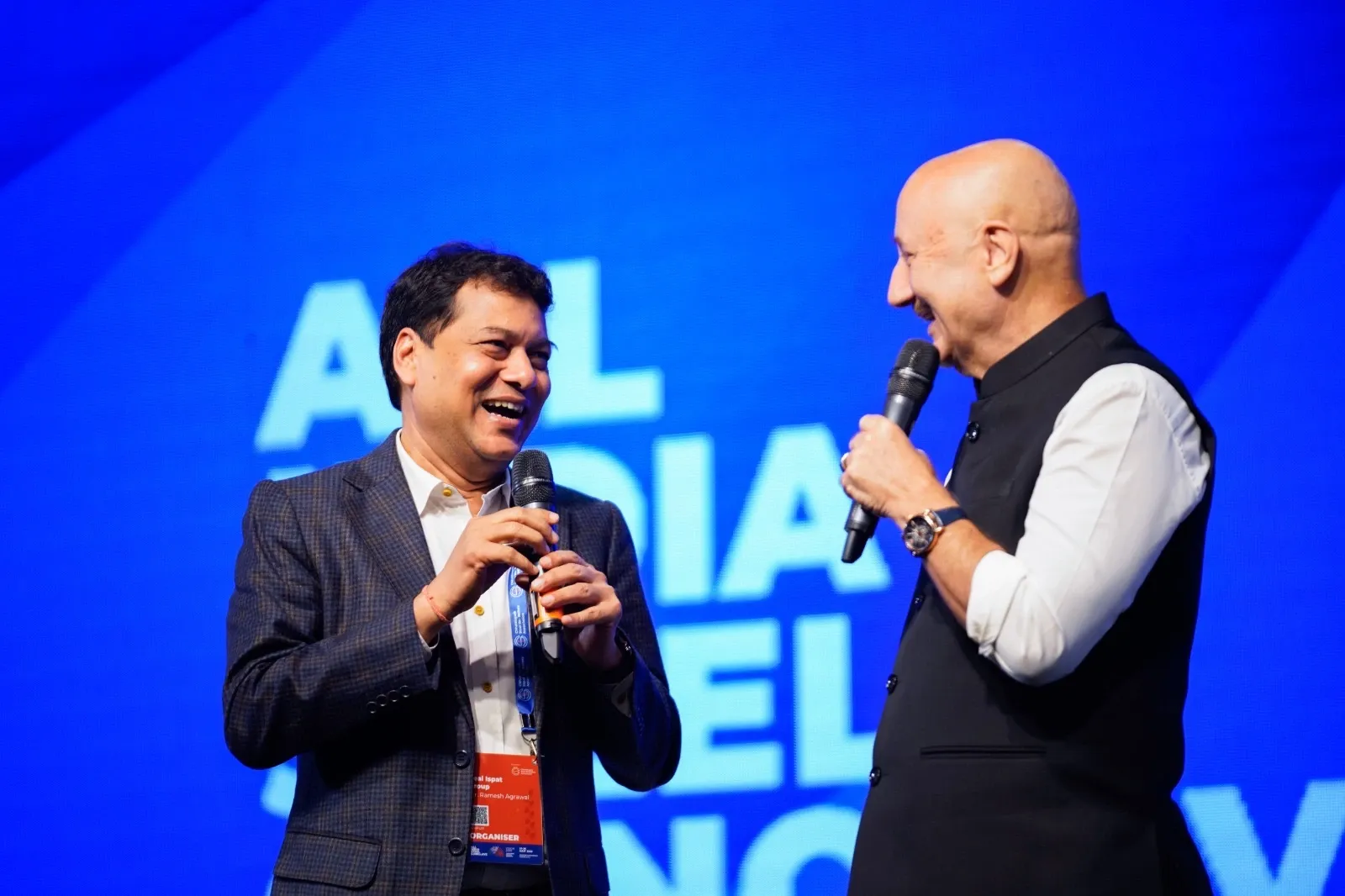
The All India Steel Conclave 3.0 (AISC 3.0) returns with a renewed vision, bringing together India’s steel industry at a dynamic intersection of ideas, innovation, and leadership. Organized by the Chhattisgarh Steel Re-Rollers Association, the conclave will be held on 11-12 January 2027, bringing together industry leaders, steel producers, traders, policymakers, and key stakeholders to exchange perspectives, foster meaningful collaborations, and explore the opportunities shaping the future of Indian steel under the theme, “What’s Next in Steel: India’s Emerging Shift.”
Conference Focus
AISC 3.0 will examine the key transitions shaping India’s steel industry from technological advancement and raw material security to value addition, export competitiveness, sustainability, and investment. With a strong focus on industry-led opportunities and emerging market dynamics, the conclave will highlight Chhattisgarh’s growing role in India’s next phase of steel development.
Conference Theme: “What’s Next in Steel: India’s Emerging Shift”
India’s steel industry is entering a new era, marked by changing demand, technology-led transformation, global integration, and a sharper focus on efficiency and sustainability. What will the next decade of Indian steel look like? Which technologies and products will shape its competitiveness? Where will the next wave of growth and investment emerge?
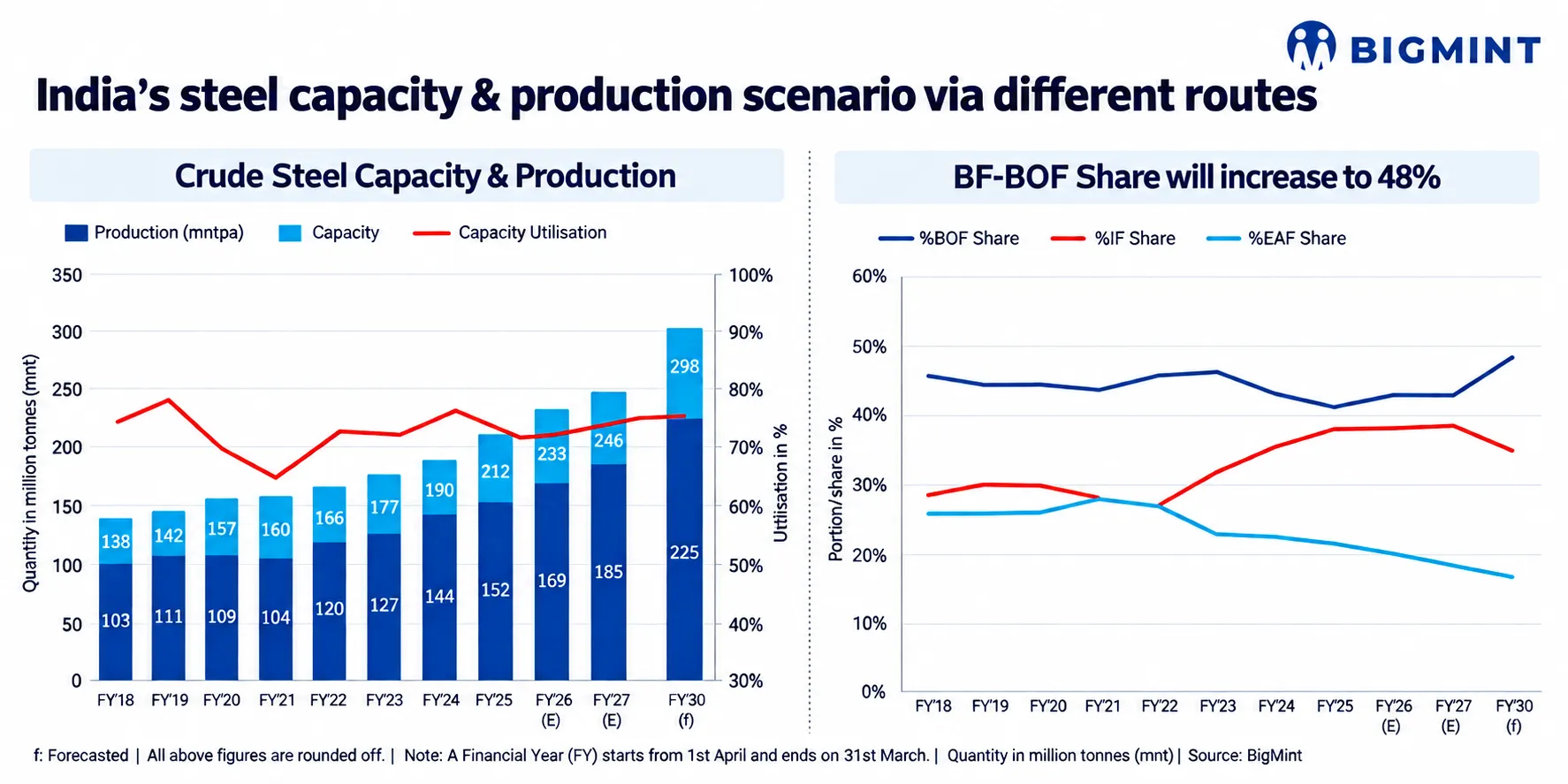
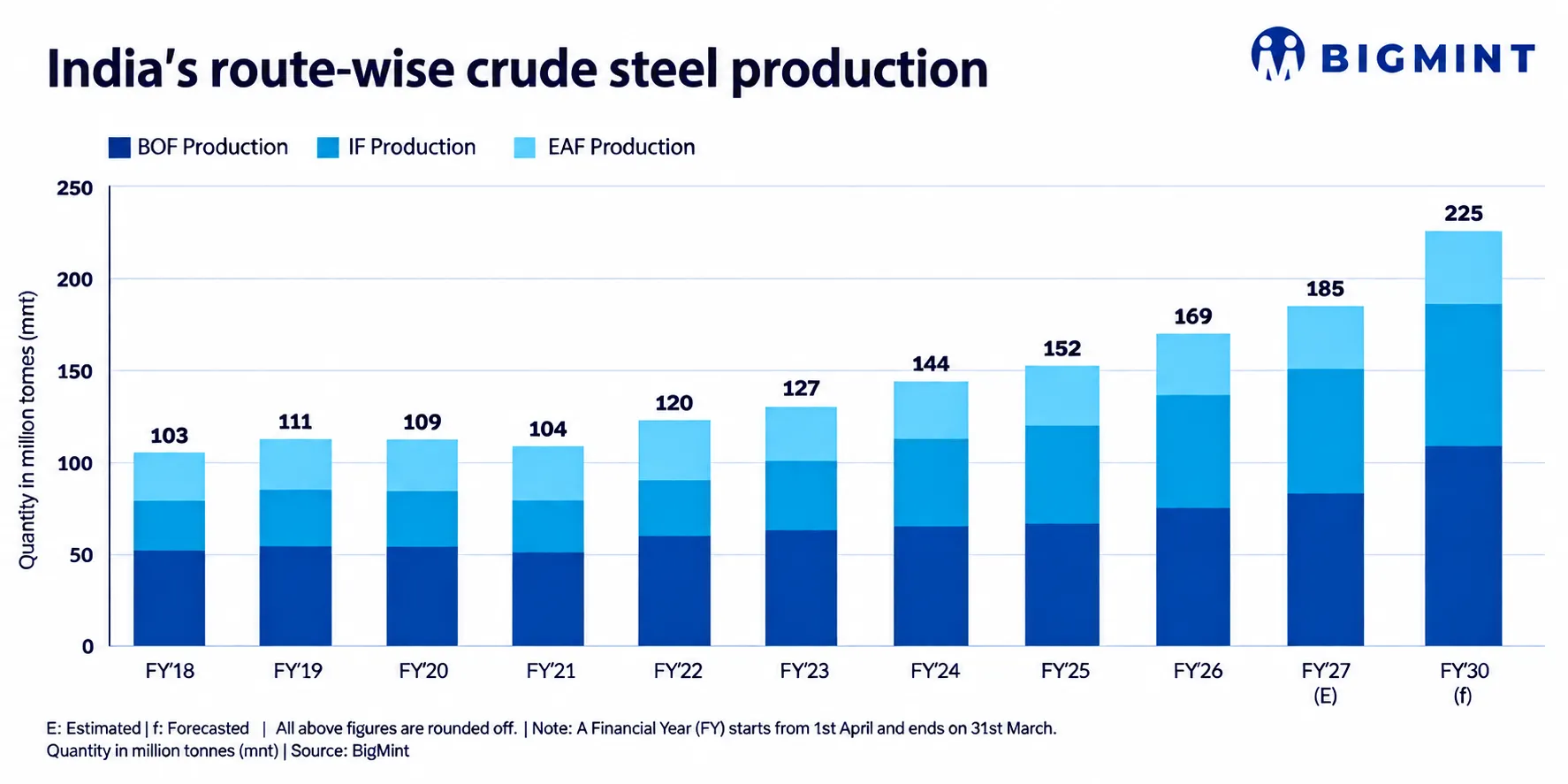
India’s steel industry is entering its next phase of growth. Capacity is moving toward 300 mnt by FY’30, but the bigger shift is structural - in steelmaking routes, raw-material needs, regional growth and the move toward higher-value, more competitive production.
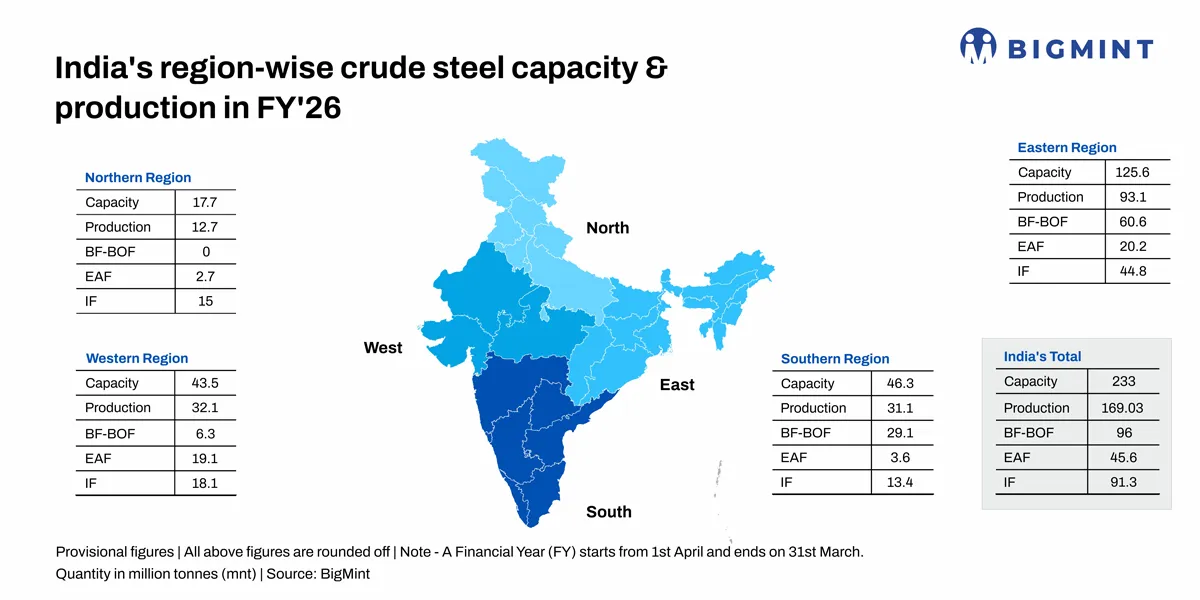
With crude steel capacity at about 233 mnt in FY’26 and projected to reach about 298 mnt by FY’30, the focus is shifting from capacity addition alone to utilisation, competitiveness and demand creation. At the same time, India’s route mix is evolving, with BF-BOF expected to gain share while electric and induction-based steelmaking continue to play a critical role.
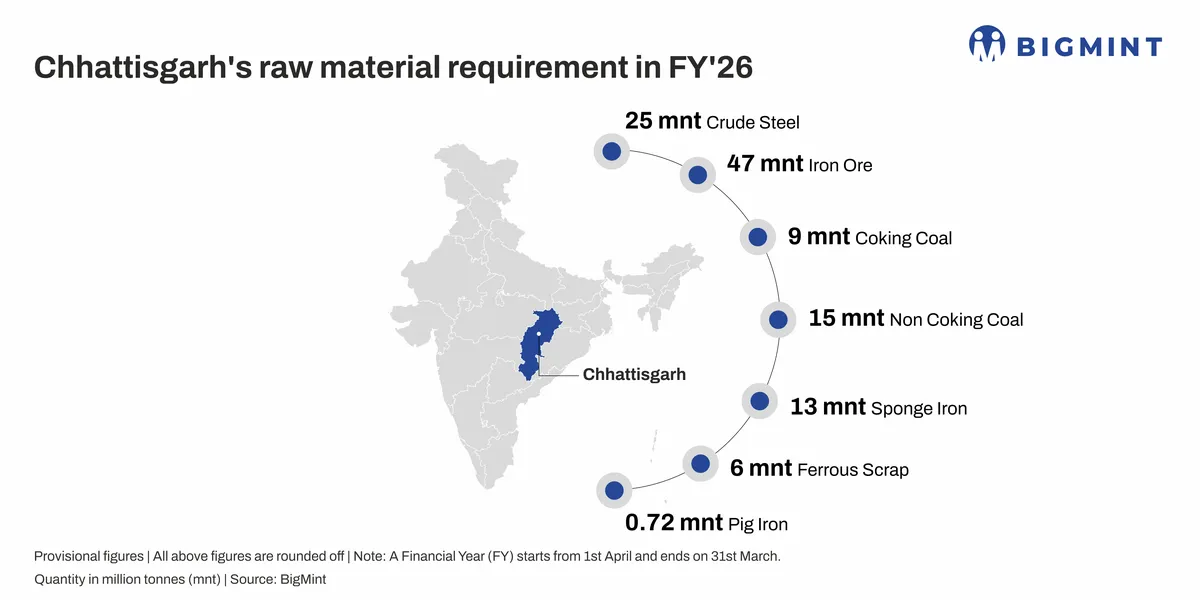
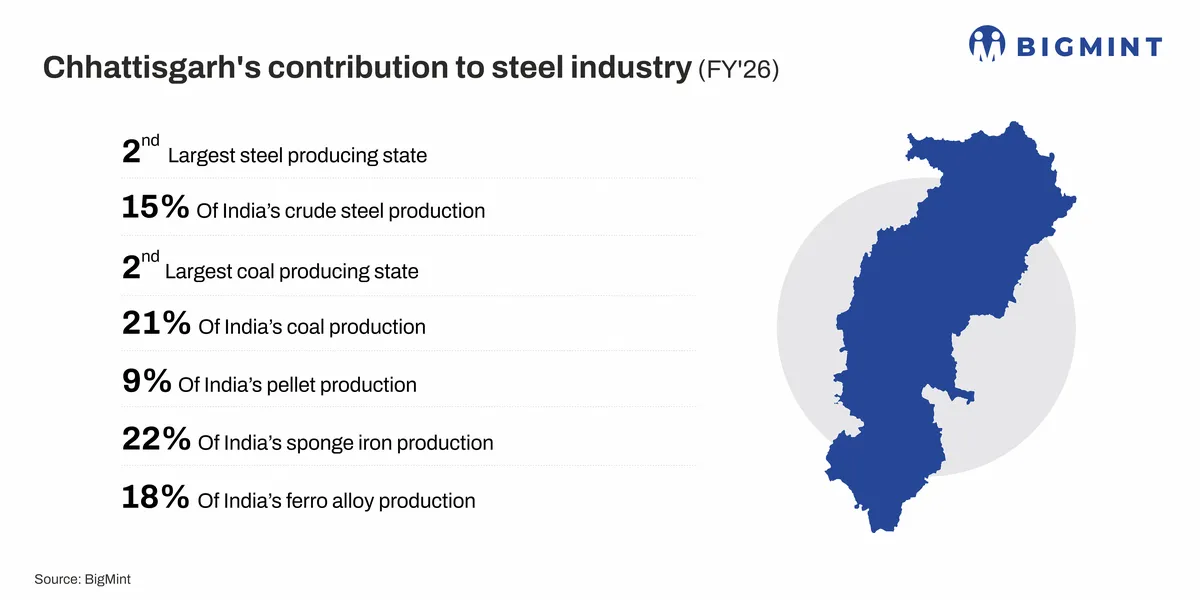
Chhattisgarh is India’s second-largest steel-producing state, contributing around 15% of national crude steel output. Its strength in coal, sponge iron, ferro alloys and pellets places it at the intersection of steelmaking and raw-material availability - giving the state a strategic role in India’s next phase of steel growth.
As steel production expands, securing competitive raw materials, improving logistics, upgrading quality and adopting the right technology will become increasingly important. For Chhattisgarh’s DRI- and IF-led ecosystem, the opportunity is to strengthen cost competitiveness while moving toward better quality, higher productivity and value-added steel.
AISC 3.0 Registration Starts
– GDP, investment cycle & infrastructure capex driving steel intensity
– Manufacturing, housing & mobility as core demand pillars
– Where steel sits in India’s $5-trillion economy ambition
– CG’s share in India’s sponge iron, DRI & secondary steel
– Mineral endowment, power advantage & industrial corridors
– State roadmap: from raw-material base to value-added hub
Formal inauguration — Union & State Ministers, Secretaries, NMDC / SECL leadership, CSRA Core Committee. Theme unveiling: “What’s Next in Steel: India’s Emerging Shift.”
– Overcapacity, China slowdown & realignment of export corridors
– CBAM, tariffs & protectionism reshaping global trade
– Where India fits: import substitution vs export ambition
Theme-setting for plant heads, metallurgists & technology suppliers. Frames Hall B as a walk through the steel plant — raw material to finishing — balancing TODAY, NEXT and FUTURE technologies.
– Beneficiation routes for declining-grade hematite fines
– Pellet vs lump/sinter economics for DRI & BF feed
– Reducing gangue, boosting metallisation & kiln productivity
– Demand build-up by sector vs capacity addition pipeline
– Secondary sector’s rising share in the 300 MT target
– Regional demand shifts & the eastern-belt advantage
– BF–BOF / Coal-DRI–IF / Coal-DRI–EAF / Gas-DRI–EAF / DRI+Mini-BF / Scrap–EAF compared on capex, opex, energy, metallic & ore need, yield, carbon intensity
– Product-mix flexibility, scale & raw-material dependency for Indian conditions
– “If I invest today, which route makes economic & technological sense to 2035?”
– Ore availability, grade decline, pricing & captive-mine access
– Coking & thermal coal security; import dependence risks
– Policy, auctions & long-term supply contracts
– Scrap preheating, continuous & hot-DRI/HBI charging
– Electrode, power & bottom-stirring optimisation
– Specific energy & tap-to-tap reduction at high DRI ratios
– PROBLEM → TECHNOLOGY → IMPLEMENTATION → RESULT → REPLICABILITY
– LRF/deoxidation & inclusion modification for certifiable grades
– Measured gains in cleanliness, defect & rejection rates
– Scrap ecosystem, shredding, imports & vehicle-scrappage policy
– Metallics basket — HBI, pig iron, scrap blend economics
– DRI–scrap balance for quality IF/EAF steelmaking
– Real-time process control, computer-vision quality & digital twins
– Predictive maintenance & downtime reduction — proven ROI
– Industry 4.0 adoption roadmap for mid-sized Indian plants
Motivational Speaker
– Raw-material phosphorus → DRI quality → melting-route limits
– Slag chemistry & practical dephos/desulph routes
– Cost of reaching structural & auto-grade specifications
– Moving up the chain to value-added & export-ready grades
– Import-substitution products India still buys abroad
– Margins, branding & customer qualification
– Shaft-furnace advances & hydrogen-ready / H₂-DRI transition paths
– Higher metallization, energy efficiency & carbon intensity
– Relevance & readiness for India’s huge sponge-iron base
– Mine-to-plant & port-to-plant: rakes, sidings, first/last-mile, DFC & coastal shipping
– Imported coking-coal economics; slurry pipelines & beneficiation-linked movement
– Logistics cost per tonne of steel—can infrastructure support 2030+ capacity?
– Smelting-reduction & ESF routes for lower-grade Indian ore
– Global demos: Stegra / HyCROF / FINEX-type learnings
– Hot-metal-direct-from-ore—readiness for Indian conditions
– PROBLEM → TECHNOLOGY → RESULT → REPLICABILITY on an operating kiln
– Accretion control, metallisation, coal consumption & campaign life
– Waste-heat recovery, captive power, automation & emissions
– Carbon-trading platform (CCTS) & impact on coal-based units
– CBAM exposure on exports & compliance cost
– Low-carbon levers that protect competitiveness
– Narrow strip mill—supply, demand & future gap
– PEB structural steel, pipes, tubes & railway-grade demand pull
– Chhattisgarh as an emerging downstream & VAP hub
– Caster productivity, breakout prevention & near-net-shape/thin-slab options
– Rolling automation, gauge control & endless casting-rolling learnings
– Yield, surface quality & low-waste practice in re-rolling
Lunch
– Demand, investment & the 300 MT journey
– Route, product & decarbonization bets each CXO is making
– State investment opportunities & the Chhattisgarh advantage
– Baseline pain-points & the improvement roadmap
– Cost, yield & quality gains achieved
– Replicable lessons for mid-sized producers